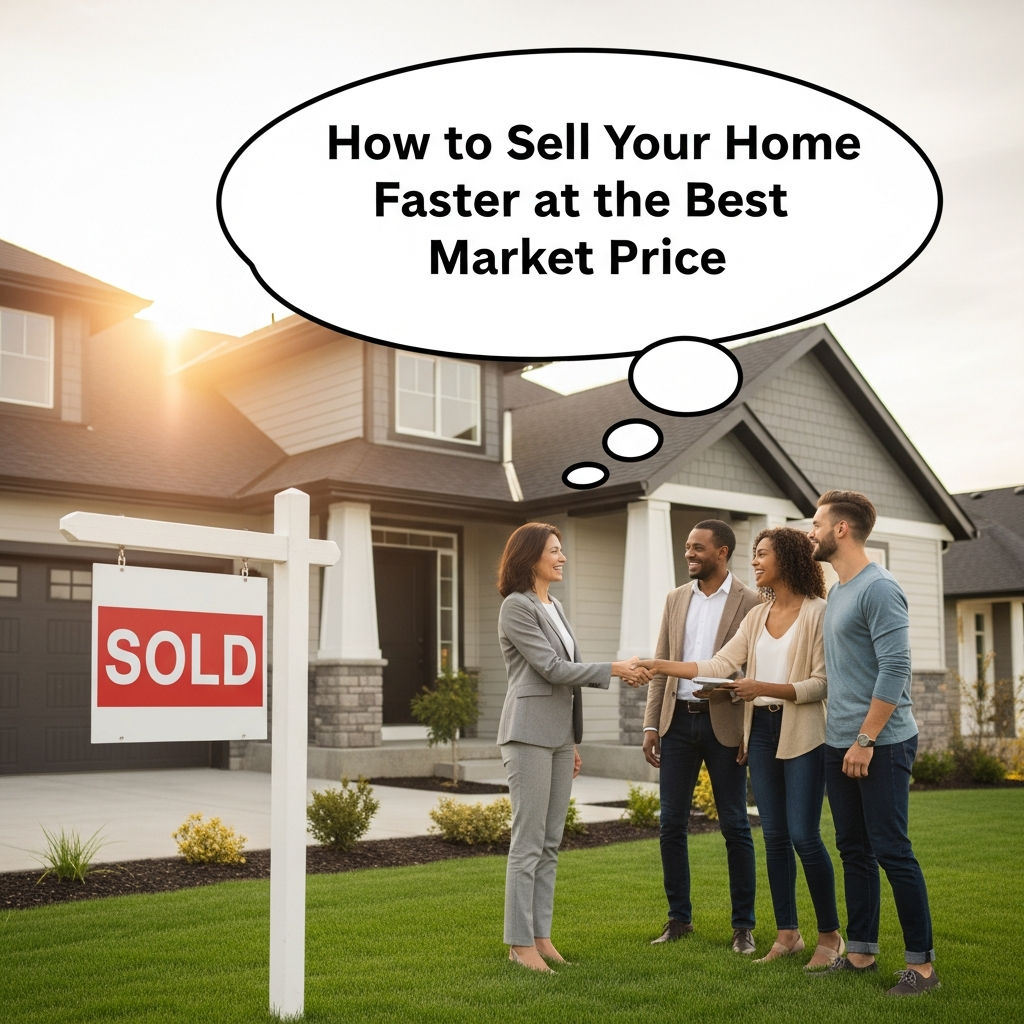
The Definitive Guide to Selling Your Home Faster at the Best Market Price – Expert Journalist GuideThe Definitive Guide to Selling Your Home Faster at the Best Market Price
In today’s competitive real estate landscape, sellers face a critical balancing act: achieving a swift sale while simultaneously extracting the maximum possible value. Lingering on the market often signals distress or overpricing, forcing subsequent reductions that erode profit. The goal is to create a compelling, immediate demand. Selling your home faster at the best market price requires a disciplined, multi-stage strategy that goes far beyond simply cleaning up and hanging a sign.
Phase 1: Strategic Preparation and Pre-Listing Excellence
Before any buyer steps foot inside (or clicks on the listing), the heavy lifting must be done. Preparation is not just about aesthetics; it is about eliminating barriers to purchase and maximizing buyer fantasy.
Decluttering and Depersonalization: A Blank Slate
Buyers need to envision their future in your space, not be distracted by your past. This means ruthless decluttering. Pack away 50% of your belongings, especially knick-knacks, excess furniture, and personal photos. Storage units are a small investment with a huge return on perceived square footage. A clean, minimalist environment suggests excellent maintenance and makes rooms appear significantly larger. This critical step sets the stage for high-quality photography.
Essential Repairs vs. Cosmetic Upgrades
Knowing where to spend money is key to a fast sale. Buyers expect major systems (HVAC, roof, plumbing) to be in good working order. Address “showstoppers” immediately—leaky faucets, broken tiles, or non-functional outlets. Minor cosmetic fixes, such as fresh neutral paint (gray or beige), updating cabinet hardware, or replacing dated light fixtures, offer the highest return on investment (ROI). Avoid major renovations (like gutting a kitchen) unless explicitly advised by your agent, as those costs are rarely recovered in full during a speedy sale.
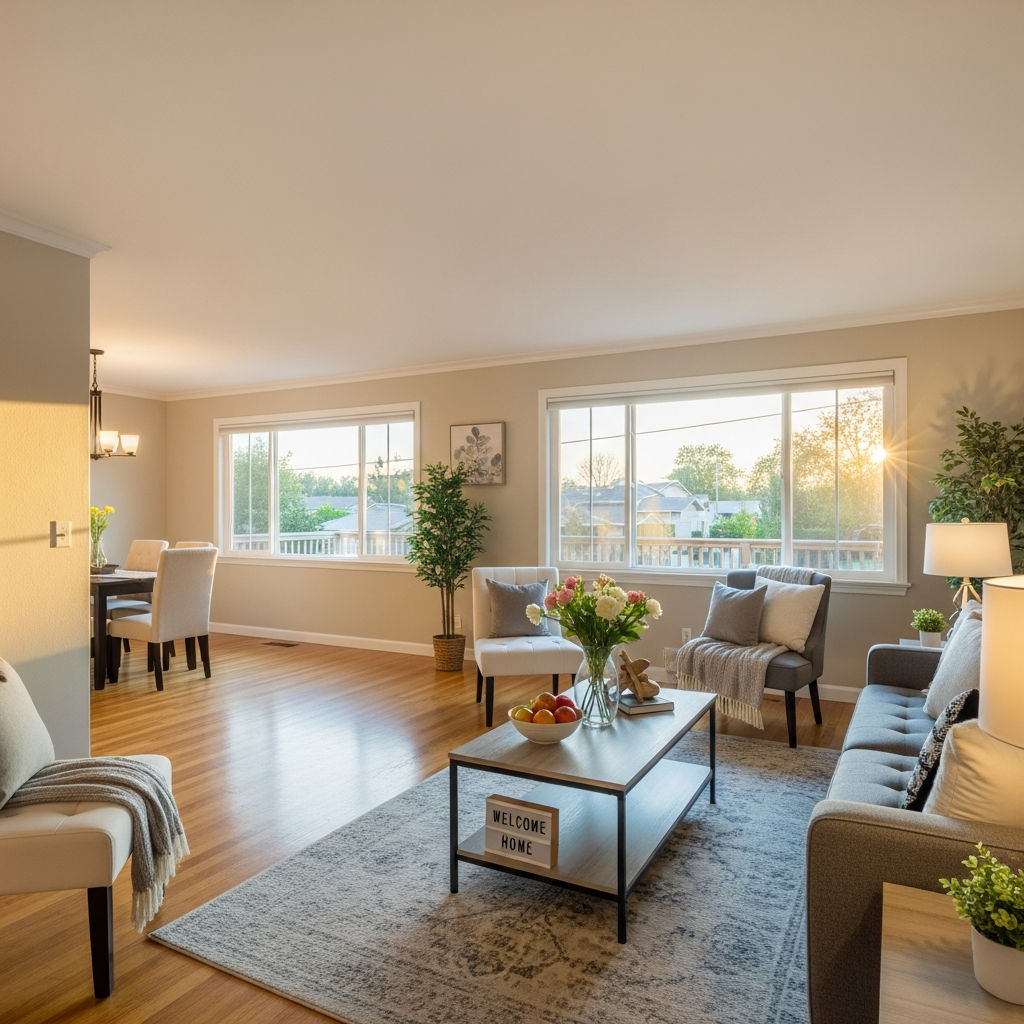
Professional Staging: The ROI Multiplier
While many sellers believe they can simply “clean up,” professional staging transforms a house into a desirable product. Staging highlights architectural features, defines awkward spaces, and enhances the emotional connection a buyer feels. Statistics consistently show staged homes sell faster and often command a higher sale price than non-staged counterparts, frequently generating an ROI exceeding 300% on the staging fee.
Phase 2: Mastering the Art of Pricing
Pricing is the single most important factor determining speed. An improperly priced home, even a beautiful one, will sit. An aggressively priced home will generate multiple offers.
The Power of the Comparative Market Analysis (CMA)
The CMA is not just a suggestion; it is a data-driven document detailing what similar properties (“comps”) have recently sold for in your immediate area. Your agent should provide a thorough analysis that looks at square footage, lot size, condition, and sale date. Ignore the price your neighbor received six months ago; focus on current market velocity and closed sales within the last 60 days.
Aggressive Pricing Strategy: The “Sweet Spot”
To sell fast and achieve the best price, you need to attract immediate, high-volume interest. This often means pricing the property slightly below the perceived top of the market. This strategic underpricing is designed to trigger bidding wars, which inevitably drive the final price above the initial list price—and often higher than what an ambitious initial price would have achieved. If you price too high, you miss the critical “new listing” window (the first 14 days) and end up chasing the market downward.

Understanding Absorption Rate and Market Velocity
Ask your agent for the absorption rate—how long it takes for all current inventory in your neighborhood to sell. If the rate is high (e.g., six months of inventory), you are in a buyer’s market and must price accordingly. If the rate is low (e.g., two weeks of inventory), you are in a seller’s market and can use the aggressive pricing strategy to maximize competition. Understanding market velocity ensures your pricing aligns with current economic realities, not historical expectations.
Phase 3: High-Impact Marketing and Presentation
In the digital age, a sale is won or lost before the buyer even arrives. Listings must be optimized for digital consumption.
Photography and Videography: First Impressions are Digital
Never rely on cell phone pictures. Professional, high-resolution photography is non-negotiable. Furthermore, consider a 3D virtual tour (like Matterport) or a professional cinematic video walkthrough. These technologies allow buyers to fully experience the space remotely, dramatically increasing the quality of leads and reducing the number of unnecessary physical showings. The listing photos are your most powerful selling tool.
Optimizing the Listing Description for SEO
The written description must be compelling, accurate, and keyword-rich. Highlight lifestyle benefits, not just features. Instead of “Big Kitchen,” write, “Gourmet kitchen with commercial-grade appliances, perfect for entertaining.” Use terms buyers search for: “Smart Home Features,” “Fenced Yard,” “Walkable Neighborhood,” and “Low HOA.” A strong description captures attention and keeps your listing prioritized by search engines on major real estate portals.
Timing Showings and Open Houses
To generate urgency, limit the time available for viewings, especially during the first weekend. Schedule a large open house immediately after the listing goes live. If possible, set a timeline for reviewing offers (e.g., “All offers reviewed Monday at 5 PM”). This compressed schedule forces interested parties to act quickly and decisively, which is essential for selling fast at the best market price.
Phase 4: Negotiation, Contingencies, and Closing Speed
Once offers arrive, the goal shifts from marketing to rapid, stable closing.
Reviewing Offers Beyond the Highest Dollar Amount
The highest offer is not always the best offer. A quick sale depends heavily on the buyer’s ability to close. Analyze contingencies carefully. Strong offers often include significant earnest money deposits, fewer contingencies (e.g., waiving the appraisal gap or the financing contingency), or a flexible closing date beneficial to the seller. Prioritize offers with pre-approved financing and a proven track record.
Preemptive Home Inspection and Disclosure
Consider conducting your own pre-listing home inspection. This allows you to address minor issues proactively and fully disclose any known defects upfront. When buyers see a full disclosure package, they are less likely to request extensive inspection contingencies or try to renegotiate the price later, drastically speeding up the timeline and protecting your final sales price.
Selecting the Right Real Estate Agent
Your agent is your project manager. Choose someone with a proven track record of selling homes quickly in your specific neighborhood. They must be an expert negotiator, technologically proficient (for marketing), and capable of managing tight timelines. The right agent acts as a fiduciary, constantly prioritizing your goals of speed and value.
Selling your home faster at the best market price is an achievable outcome when preparation meets strategy. By treating the sale process like a focused business transaction—prioritizing professional presentation, competitive pricing, and airtight closing procedures—you ensure your property sells quickly, avoiding the pitfalls of a prolonged listing and maximizing your ultimate financial return.
